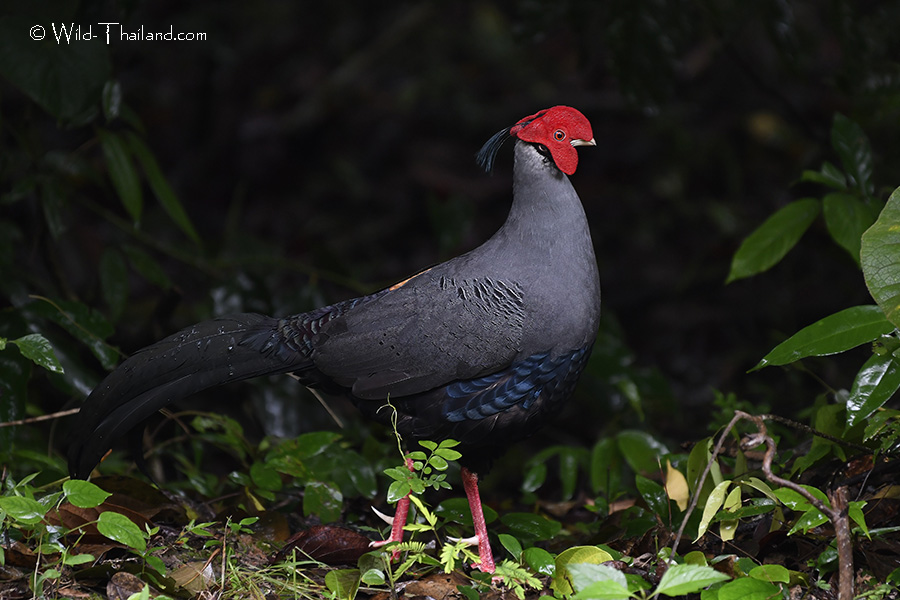
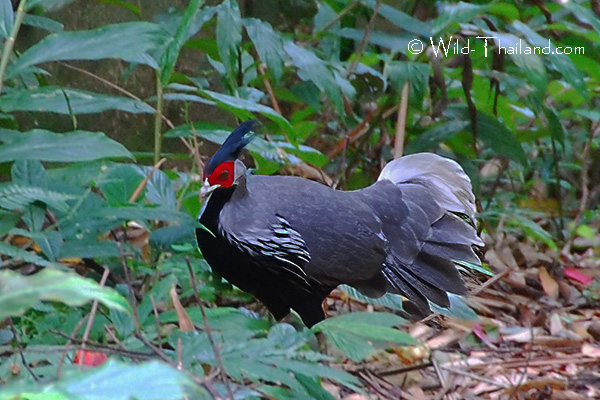
Scientific Name
Lophura leucomelanos
Status
Least Concern
Size
Length: 50 - 74 cm
Weight: Male 795 - 1150 g Female 564 - 1025 g
Diet
Omnivore.
Seeds, fruits, leaves, insects, worms, and small animals.
Appearance
The male Kalij Pheasant are iridescent black and silver with a crest and bright red facial skin, while females are greyish-brown.
Distribution
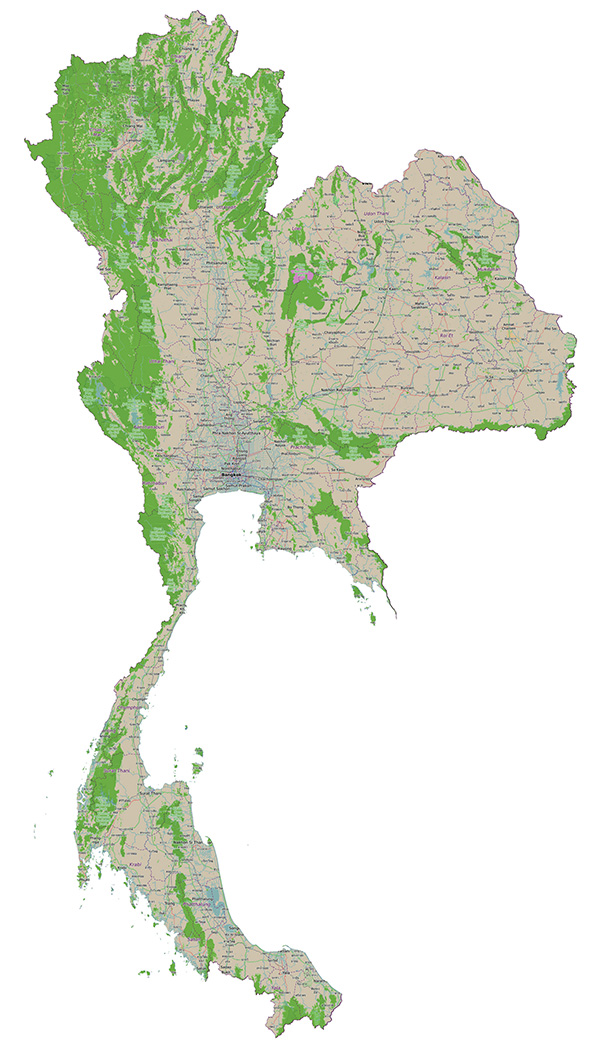
The Kalij Pheasant is diurnal, ground-dwelling, and social, often found foraging in small groups for seeds, insects, and berries. They are also known for elaborate courtship displays by males.
Breeding is from March to May. Nests are typically a shallow scrape on the ground in dense undergrowth, often lined with leaves and located near a water source.
Scientific Name
Lophura diardi
Status
Least Concern
Size
Length: 60 - 80 cm
Weight: Male 1 .1 - 1.4 kg Female 0.7 - 1.0 kg
Diet
Omnivore.
Insects, worms, and other invertebrates, along with fruits, berries, seeds, and some plant matter.
Appearance
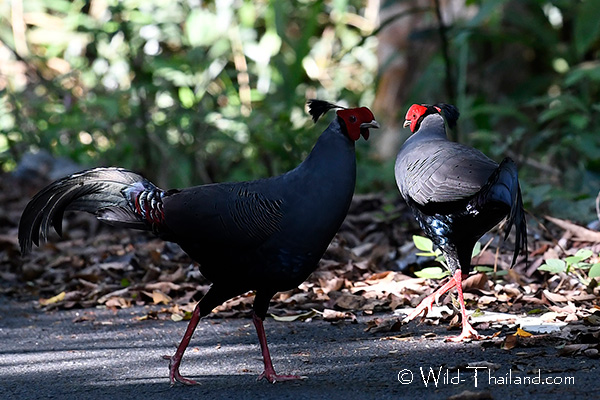
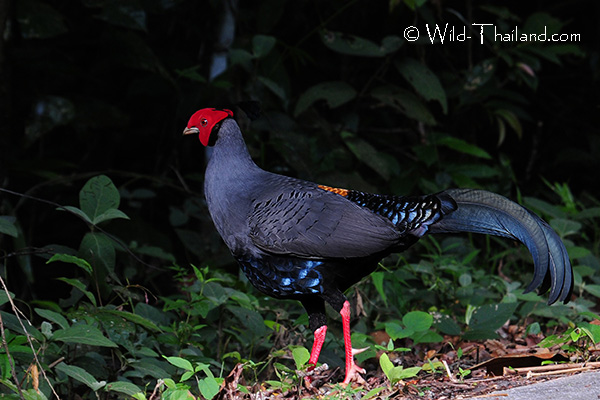
Male Siamese Firebacks have blue-grey plumage, a black crest, a vibrant red face, and an iridescent "fireback" patch on their lower back. Females have brown plumage, black-and-white barring on their wings, and a smaller red facial patch.
Distribution
Siamese Firebacks are found in northern and eastern Thailand, primarily in lowland and evergreen forests.
Siamese Fireback forage on the forest floor during the day, roosting in trees at night, and living in small groups or pairs. They are sometimes seen on the side of the road or crossing the road.
Breeding is from February to April. Females build nests on the ground in dense undergrowth.
Scientific Name
Lophura nycthemera
Status
Least Concern
Size
Length: 55 - 125 cm
Weight: Male 1 .1 - 2.0 kg Female 1.0 - 1.3 kg
Diet
Omnivore.
Seeds, fruits, insects and grains.
Appearance
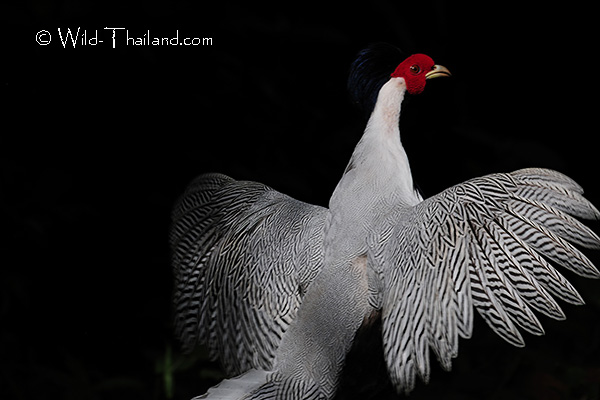
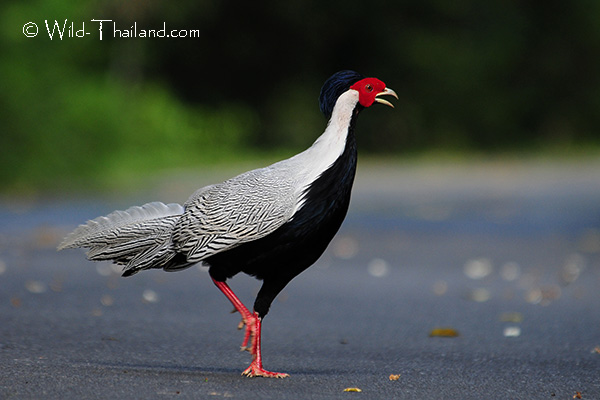
Male Silver Pheasants have a striking white and black-and-blue plumage, a long blue-black crest, and red legs and faces. Females are mostly dull brown with a shorter crest and brown plumage, but also have red legs and a red face.
Distribution
Silver Pheasants are most active during the day, particularly in the morning and late afternoon. They spend most of their time on the ground, foraging for food by scratching at the ground.
Breeding is from February to May, nests are shallow depressions in the ground.