Scientific Name
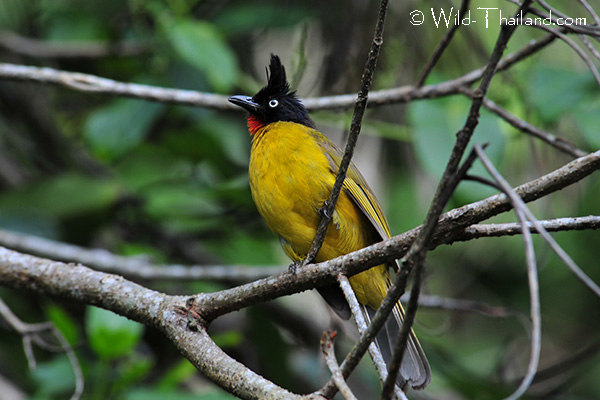
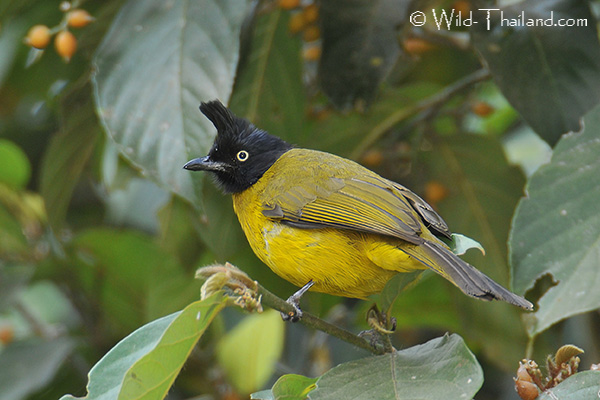
Rubigula flaviventris
Status
Least Concern
Size
Length: 18 - 20 cm
Weight: 28 - 34 g
Diet
Fruit and insects, it is also known to feed on nectar and occasionally on seeds.
Appearance
Distribution
Throughout Thailand in various forest types, from lowlands to foothills.
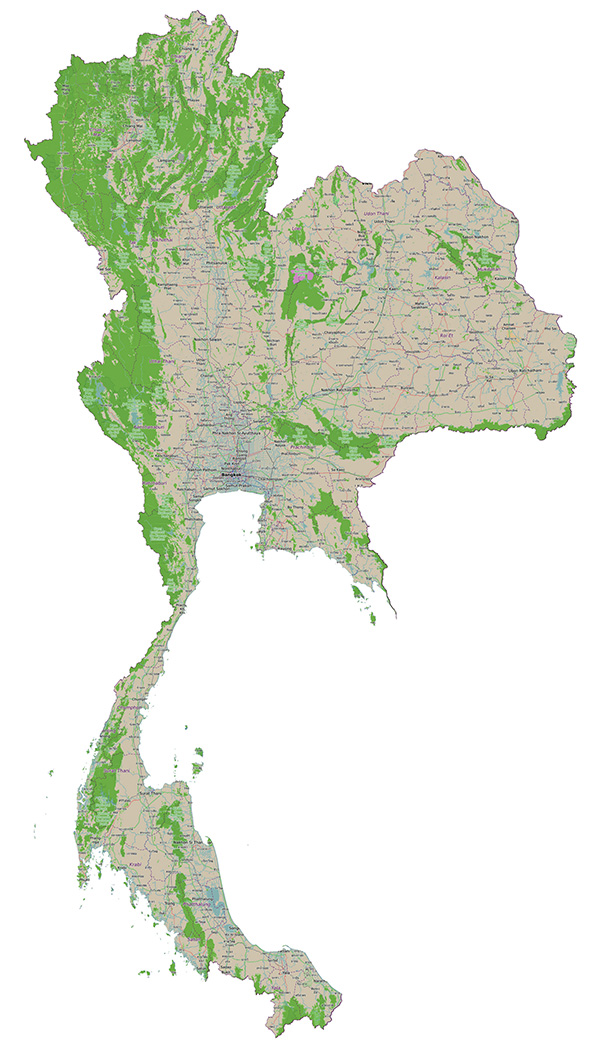
A commonly seen bird, often in small flocks foraging for fruit, insects, and seeds.
Breeding occurs multiple times during the year. Both parents build a cup-shaped nest made of grass and leaves, usually in a tree fork or small shrub.
Scientific Name
Pycnonotus flavescens
Status
Least Concern
Size
Length: 21 - 22 cm
Weight: 27 - 35 g
Diet
Small fruits, nectar, and invertebrates like insects and spiders.
Appearance
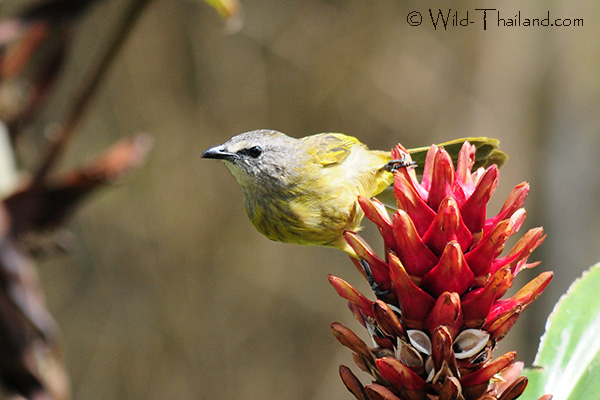
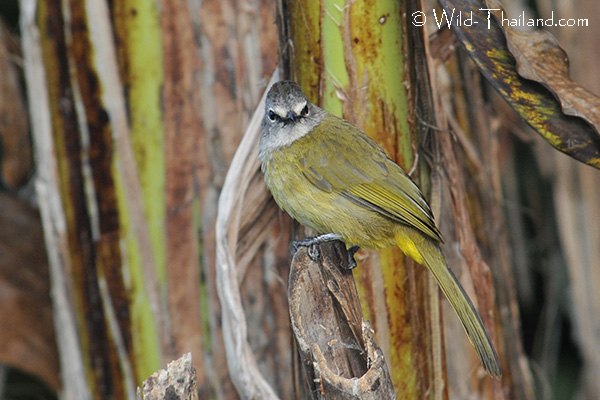
The Flavescent Bulbul is a medium-sized bird with olive-grey upper parts and whitish underparts. Its appearance is defined by a greyish-brown head with a distinct white eyebrow (supercilium), dark lores, a short, conical crest, and bright yellow undertail coverts.
Distribution
Found in northern Thailand, primarily in montane habitats above 900 meters. It is often seen in open forests, forest edges, and scrubbier areas.
Flavescent bulbuls are shy but often seen foraging in groups in trees, shrubs, and sometimes on the ground for fruits, nectar, and insects.
Breeding is from March to July, building a shallow cup nest with grass, roots, and twigs, interwoven with cobwebs, and placing it up to 3 meters high in a bush, clump of grass, or tree fork.
Scientific Name
Pycnonotus jocosus
Status
Least Concern
Size
Length: 17 - 23 cm
Weight: 23 - 42 g
Diet
Insects, fruits, berries, nectar, and flower buds.
Appearance
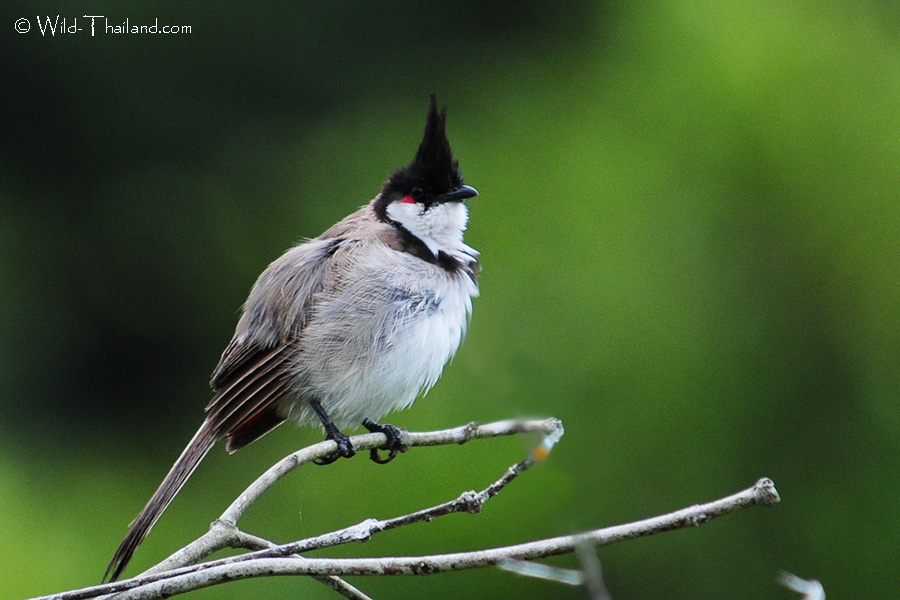
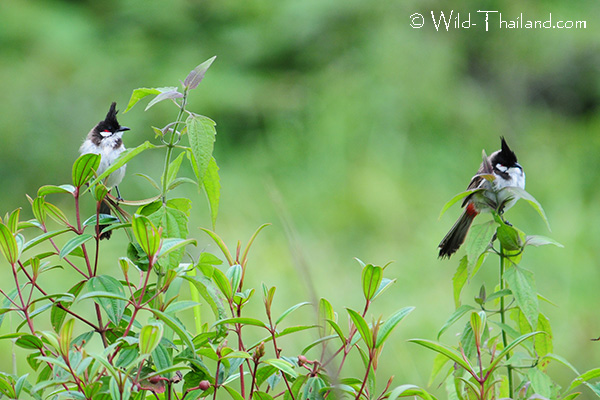
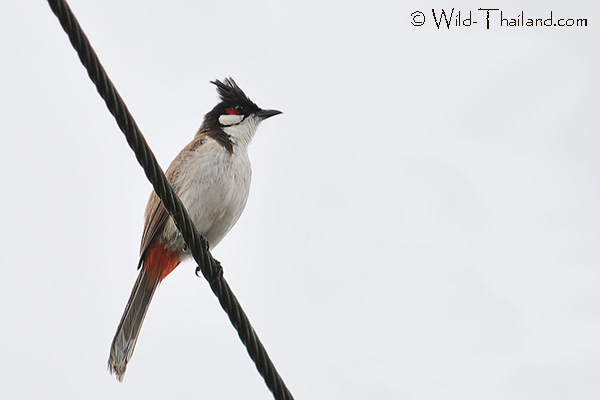
The Red-whiskered Bulbul is a medium-sized bird with a tall, pointed black crest, a red patch below the eye, and a black "moustache" line. It has brownish-black upper parts and whitish underparts with a buffy or reddish-orange vent area. Its long brown tail is tipped with white.
Distribution
Northern Thailand.
Red-whiskered Bulbul are social birds known for their loud vocalisations. They feed on a varied diet of fruits, insects, and nectar, and are often seen in pairs or small groups.
The breeding season is typically from February to August. They build cup-shaped nests from twigs, spider webs, and other materials in bushes or trees.
Scientific Name
Pycnonotus aurigaster
Status
Least Concern
Size
Length: 18 - 21 cm
Weight: 40 - 50 g
Diet
Fruit, nectar, insects, and other small invertebrates.
Appearance
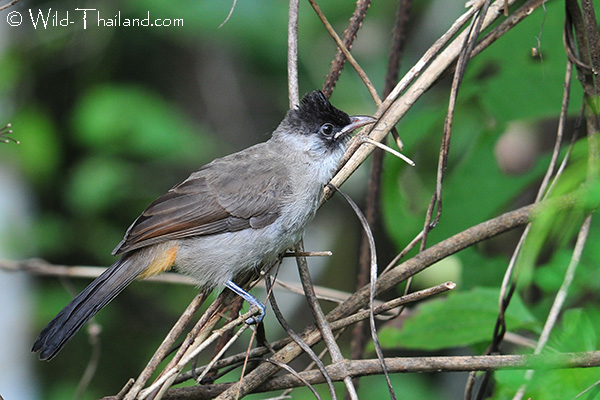
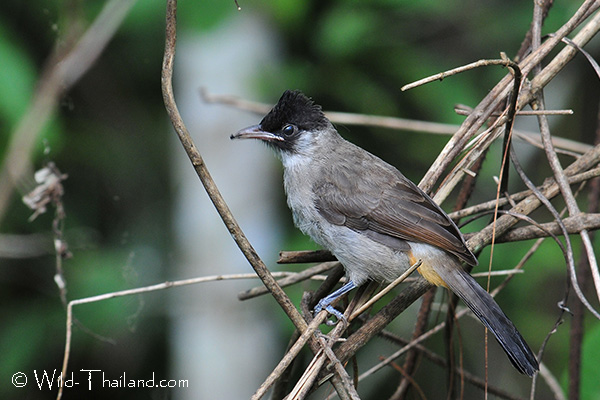
The Sooty-headed Bulbul is a medium-sized bird with a "sooty" black head, a pale brownish-grey back, and light-coloured underparts. It has a short crest, a white rump, and a distinctive bright red-orange vent under its tail.
Distribution
The sooty-headed bulbul is a common resident, found throughout the country. It can be seen up to an elevation of about 1,800 meters in various habitats, including forests, plantations, and gardens.
Sooty-headed Bulbuls are social birds, often seen in pairs or small, noisy parties, frequently vocalising with fluting calls. They are active foragers that perch in the open on trees or wires and may travel long distances together, though they can also be found foraging on the ground.
Sooty-headed bulbuls breed year-round, with a peak from March to June and again in August. They build a cup-shaped nest in bushes or small trees.
Scientific Name
Pycnonotus finlaysoni
Status
Least Concern
Size
Length: 19 - 20 cm
Weight: 24 - 32 g
Diet
Berries, fruits, and insects. They also eat nectar, flowers, and sometimes worms.
Appearance
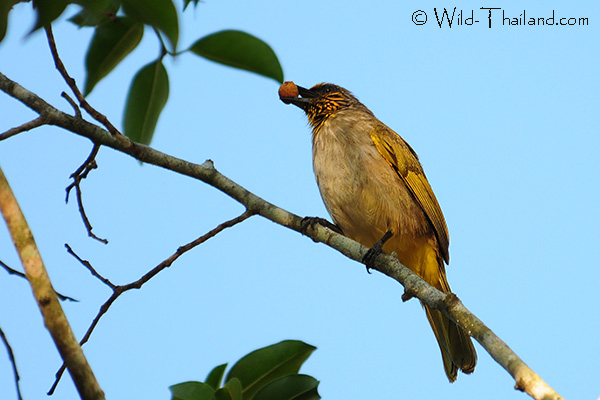
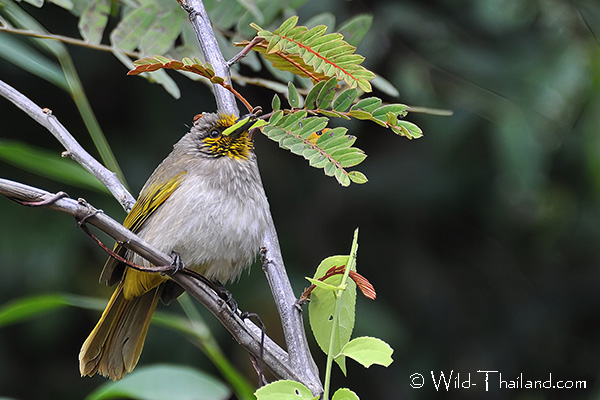
The Stripe-throated Bulbul is a medium-sized bird with a dull greyish-brown body and distinctive yellow markings, including a bright yellow stripe on its forehead, ear coverts, and throat. It also has olive-yellow wings and tail, and a lemon-yellow vent area.
Distribution
found throughout Thailand, preferring to live in a variety of habitats like secondary forests, thickets, scrublands, and gardens, and can be found at elevations up to about 1300 meters.
Stripe-throated bulbuls live in dense foliage where they are heard more than seen due to their rich, throaty calls. They are social birds, typically found in pairs or small groups.
Breeding is from February to September. During this period, the female builds a deep, cup-shaped nest hidden in dense vegetation.
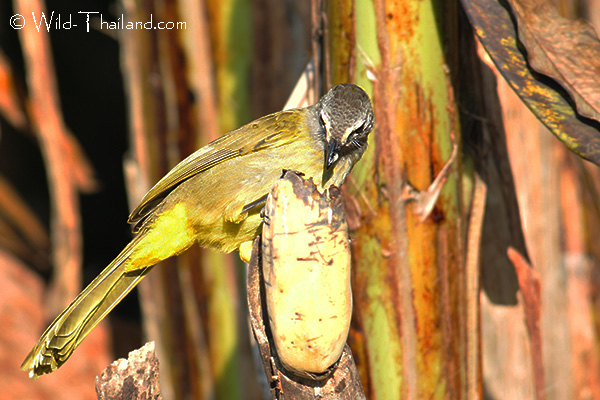
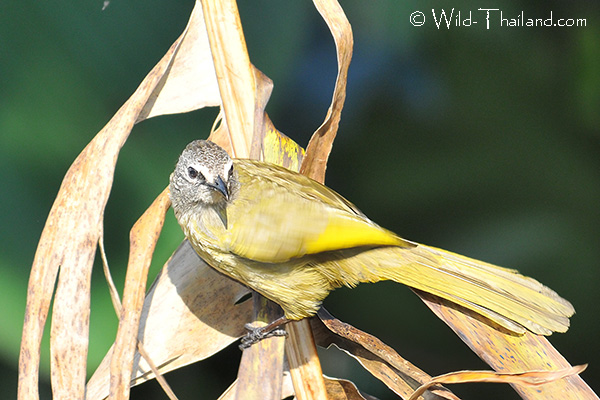
Scientific Name
Alophoixus phaeocephalus
Status
Least Concern
Size
Length: 20 - 21 cm
Weight: 23 - 40 g
Diet
Berries, seeds, and a variety of other plant matter like flowers, as well as insects such as beetles.
Appearance
The Yellow-bellied Bulbul is a medium-sized bird with a bright yellow belly, a white throat, and a bluish-gray head.It has greenish upper parts. This species is easily recognisable by its lack of a crest and the sharp contrast between its white throat and grey face and head.
Distribution
Southern Thailand.
Yellow-bellied Bulbuls use various foraging techniques like flycatching, leaf-gleaning, and brief hovering, and are also known to eat on the ground and in mixed-species flocks. Their behaviour includes a rich, warbling song, a frequent "chuckle" call, and keeping to the darker parts of the forest
Breeding is typically from April to August. They typically build an open, cup-shaped nest in a bush or tree.
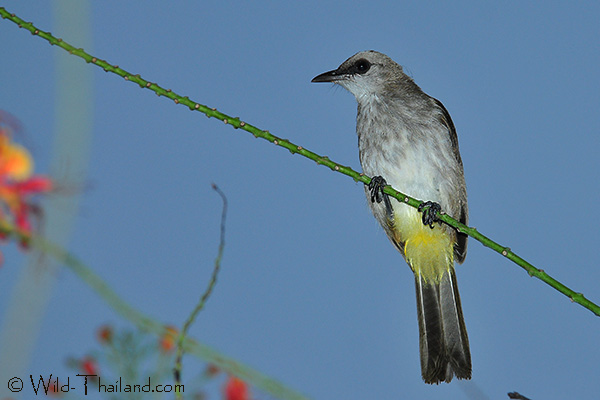
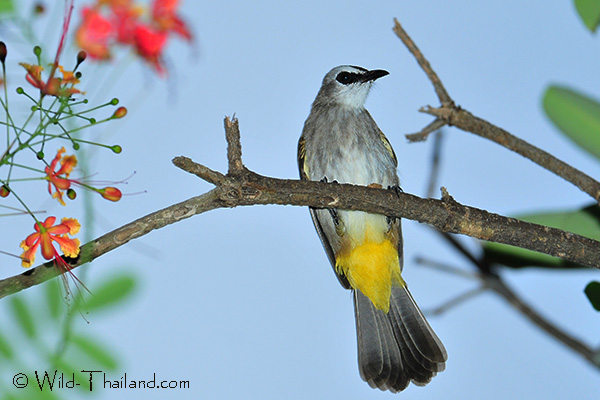
Scientific Name
Pycnonotus goiavier
Status
Least Concern
Size
Length: 19 - 20.5 cm
Weight: 24 - 37 g
Diet
Fruits, nectar, young shoots, and insects. They are also known to eat other small invertebrates.
Appearance
The Yellow-vented Bulbul has a brown back, white underparts, and a bright yellow patch under its tail (vent). It is also characterised by a dark line extending from the bill through the eye, giving it a "masked" appearance, and a slight, dark-tipped crest.
Distribution
Widely distributed throughout Thailand, particularly in lowland areas. It prefers open habitats like gardens, plantations, and parks, rather than deep forests.
Yellow-vented Bulbuls are found in a wide variety of open habitats like gardens and cultivated areas, but not deep forests.
Yellow-vented Bulbuls breed in Thailand throughout the year, with peak breeding likely occurring between February and June. They build a loose, cup-shaped nest in a variety of locations, from low bushes to high trees, or even in man-made structures like potted plants or near buildings.