Scientific Name
Gallus gallus
Status
Least Concern
Size
Length: 18 - 20 cm
Weight: 20 - 28 g
Diet
Caterpillars and flying insects.
Appearance
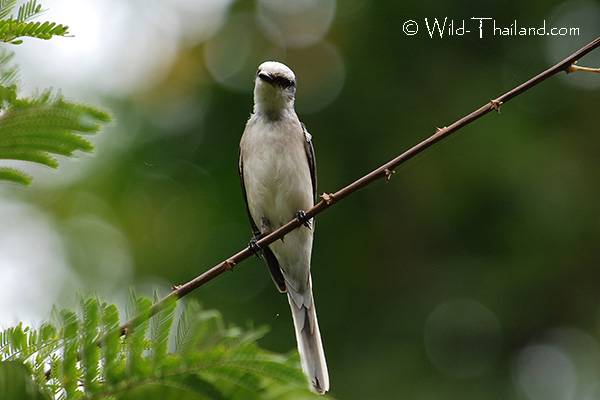
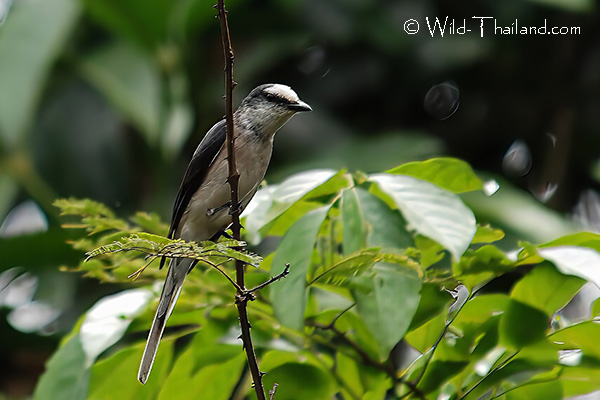
The ashy minivet is a slender bird with grey, black, and white plumage and a long tail. The male has a black cap with a white forehead and a black eye stripe, while the female has a paler grey head with a black band between the bill and eye and a thin white band above it. Both sexes have grey upper parts, pale underparts, and black bills and feet.
Distribution
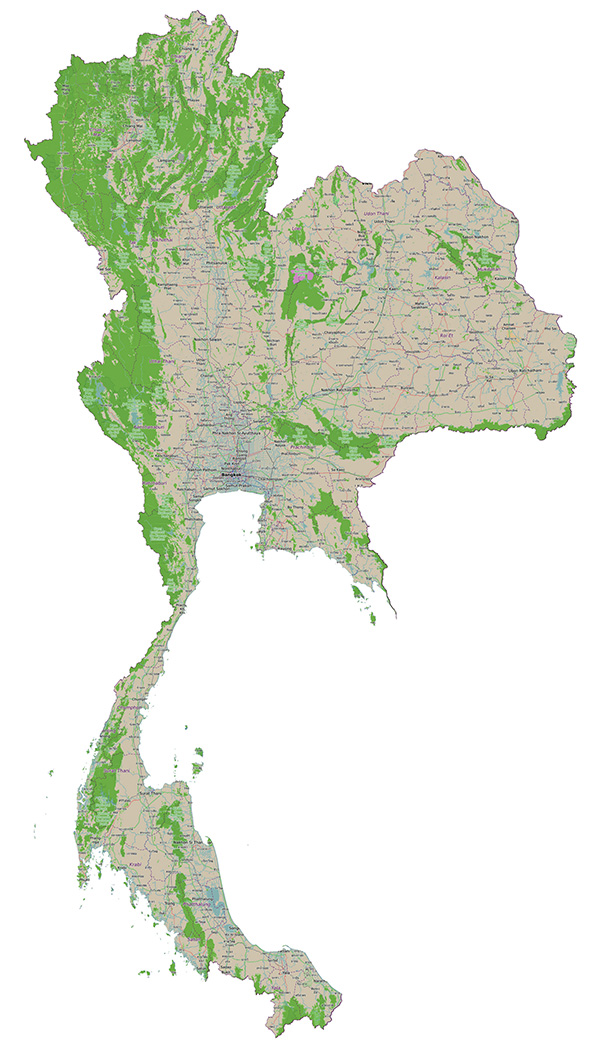
The ashy minivet is found throughout Thailand.
Ashy Minivets habitats, include evergreen and deciduous forests, secondary growth, mangroves, and even urban parks. They are social birds that live in flocks, forage in the tree canopy for insects, and are vocal, especially during flight. They often join mixed-species foraging flocks and are known for their metallic, jingling calls.
the ashy minivet breeds from May to July, in forested areas and builds a cup-shaped nest high in the canopy using twigs and spider web.
Scientific Name
Pericrocotus speciosus
Status
Least Concern
Size
Length: 20 - 22 cm
Weight: 19 - 24.5 g
Diet
Insects and spiders, supplemented with fruits and berries.
Appearance
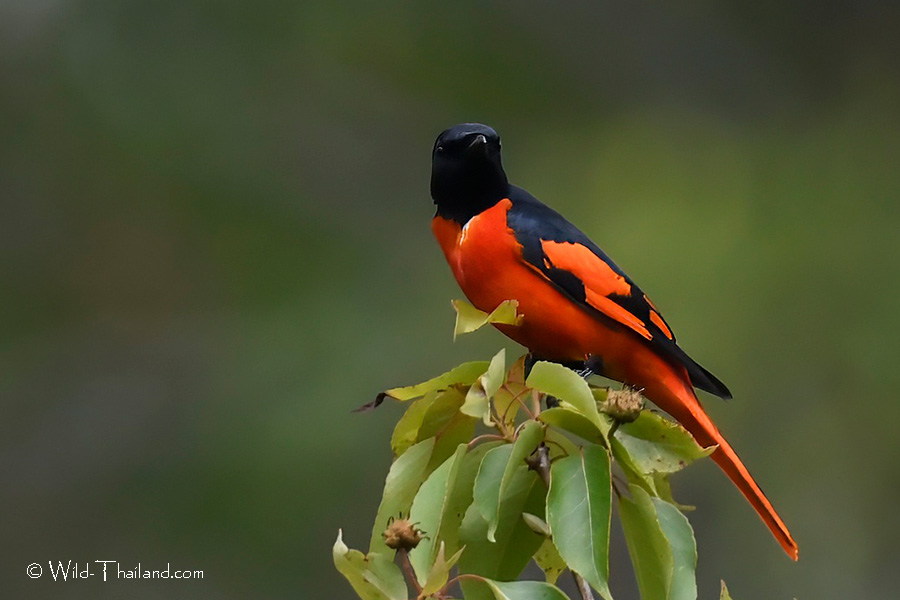
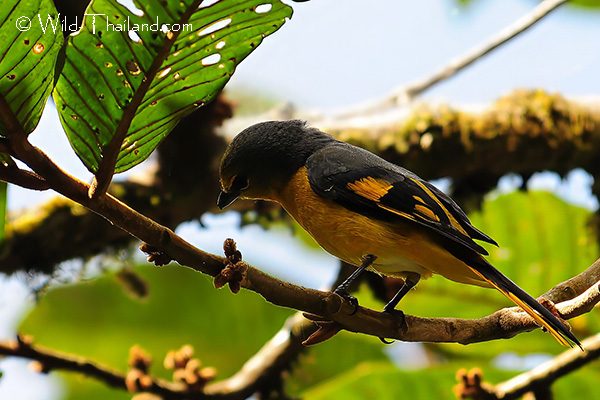
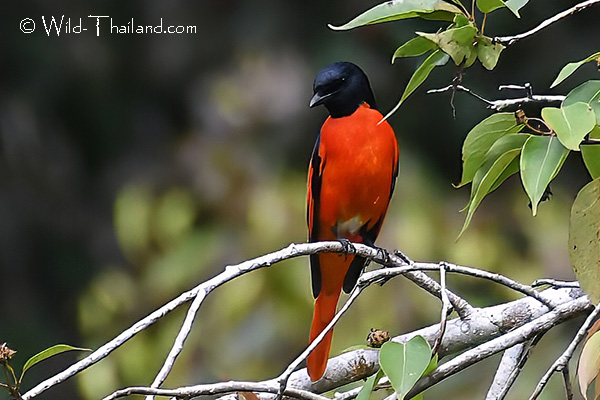
The scarlet minivet is a brightly coloured bird. Males are generally black on the upper parts with scarlet or orange-red on the underparts, rump, and wing patches, though some southern subspecies have yellow instead of scarlet. Females are primarily gray-olive on the upper parts and yellow below, also with yellow markings on the rump and wings.
Distribution
The scarlet minivet is found throughout Thailand, particularly in hilly and mountainous regions.
Scarlet minivets inhabit subtropical and tropical forests, including evergreen forests, secondary growth, and open woodlands. They are often found in small, mixed-species flocks. They forage by perching and then swooping out to catch flying insects ("hawking") or by gleaning them directly from foliage, sometimes using their wings to flush them out.
Scarlet minivets breed from April to June. They build cup-shaped nests high in treetops, which are reinforced with twigs and spiderwebs.